Ocean Conservation by the Books
Image by Linus Nyland via Unsplash.
Earlier this week, we celebrated World Oceans Day on June 8th. This special day serves as a unifying global force, highlighting the need for further ocean conservation efforts and raising awareness as to the key role oceans play in our planet’s ecosystem. While research can tell one story about the health of our oceans, actual stories can remind us of our connection to them.
And you knew this author with a heart for beach reads and the breathtaking landscape that inspires them would want to participate, right? Right.
(You know me so well.)
Today, I thought I’d share five books that support readers’ affinity for the ocean, even as they entertain us with unforgettable characters and plot lines. They may even inspire your own deep dive into ocean conservation efforts, too.
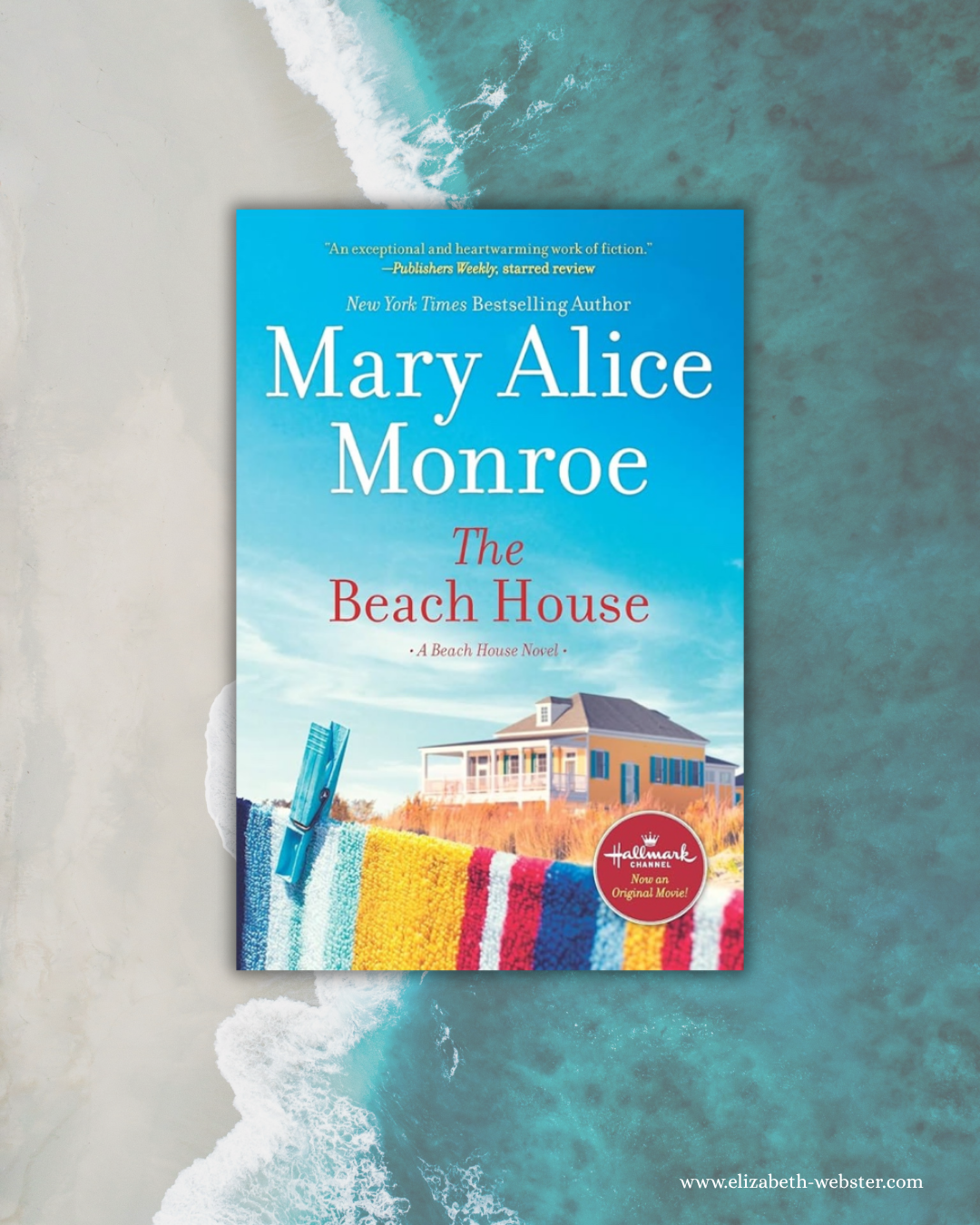
The Beach House by Mary Alice Monroe is one my all-time favorite beach reads. If you could see my stuffed bookshelves right now, you’d have a sense that this is highest praise I can offer. This story of a daughter returning home to the South Carolina coast spills over with emotion. While the main character, Cara, navigates a personal crisis and a difficult family dynamic, she also becomes an enthralled participant in sea turtle conservation. The characters in The Beach House continue to linger in my mind and the book has a forever spot on my bookshelves, but the sea turtles stayed with me, too.
While vacationing with my family to Florida, I was taking a walk on the beach early one morning with my son when I noticed the telltale roped-off mounds. I might’ve gasped. When sea turtles lay eggs, their nests are signified by raised mounds in the sand. Volunteers often rope off the nests to ensure that the nests remain undisturbed by people. I could go off on a contented tangent about the sea turtles, but suffice it to say I learned much of my early sea turtle knowledge from The Beach House. And that first bookish exposure inspired a lifelong devotion.
Fiction plays an important role in deepening our understanding of critical landscapes, and The Beach House is a particularly rich example of the power of an (excellent!) beach read.
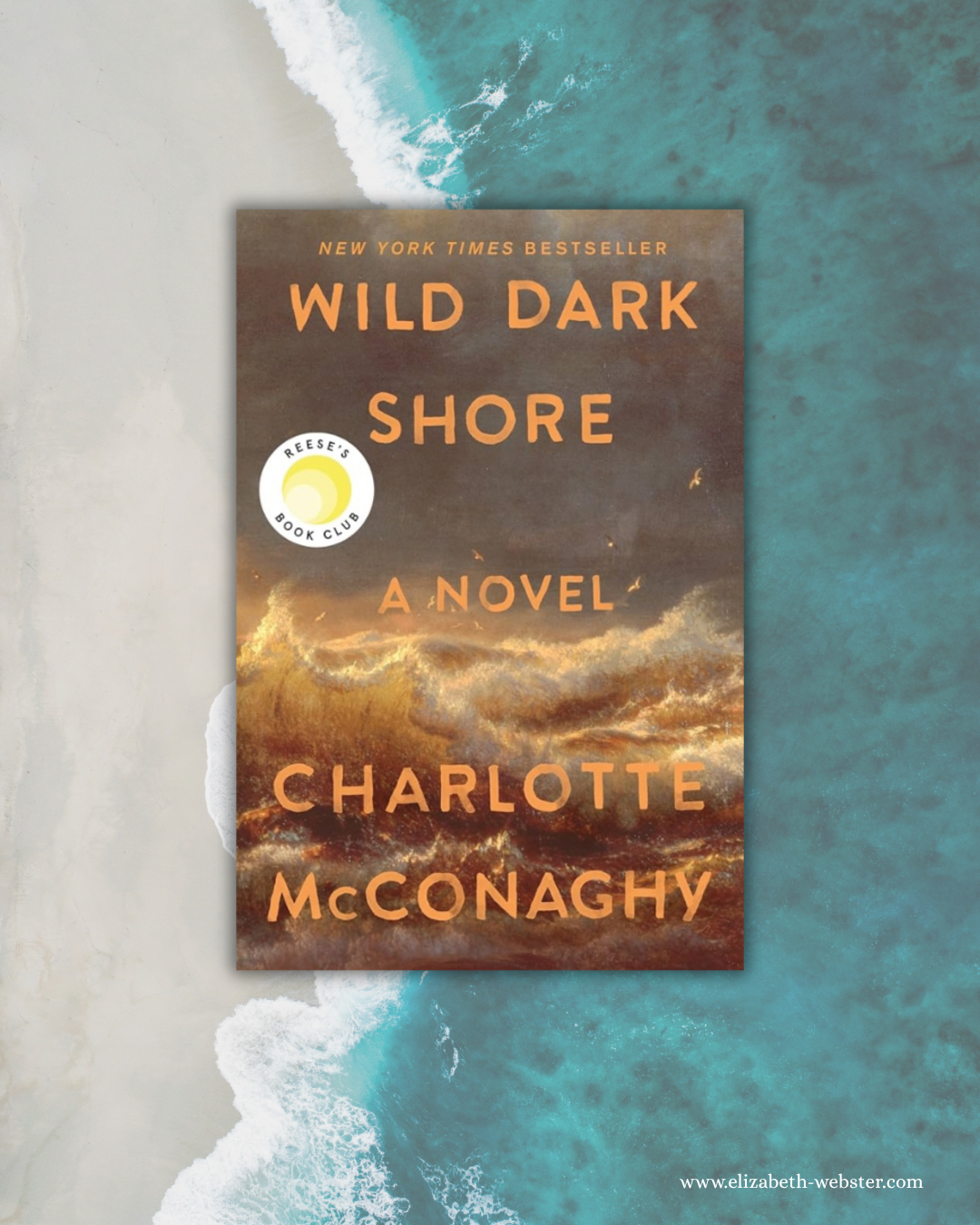
Similarly, Wild Dark Shore Charlotte McConaghy offers a unique portal into our fragile shorelines and some of the earth’s most wild terrain. In Wild Dark Shore, a family lives an isolated life on Shearwater Island, an island near Antarctica. They protect the seed vault that exists within its research facility. But when a woman mysteriously and miraculously survives a shipwreck, the family grapples with weightier questions than the stranger’s identity.
The ocean in Wild Dark Shore is its own character. Often dangerous and populated with (so many!) creatures, the ocean is rising higher all the time. Its inevitable flooding is not a scientific question for this family but an ever-present reality. The decisions they’ll make for survival and the legacy they’ll leave defy easy answers.
McConaghy reminds us that what’s at stake for these intrepid souls may someday be our dire problem to solve, too. And World Ocean Day reminds us that it already is, even if the ocean is out of sight.
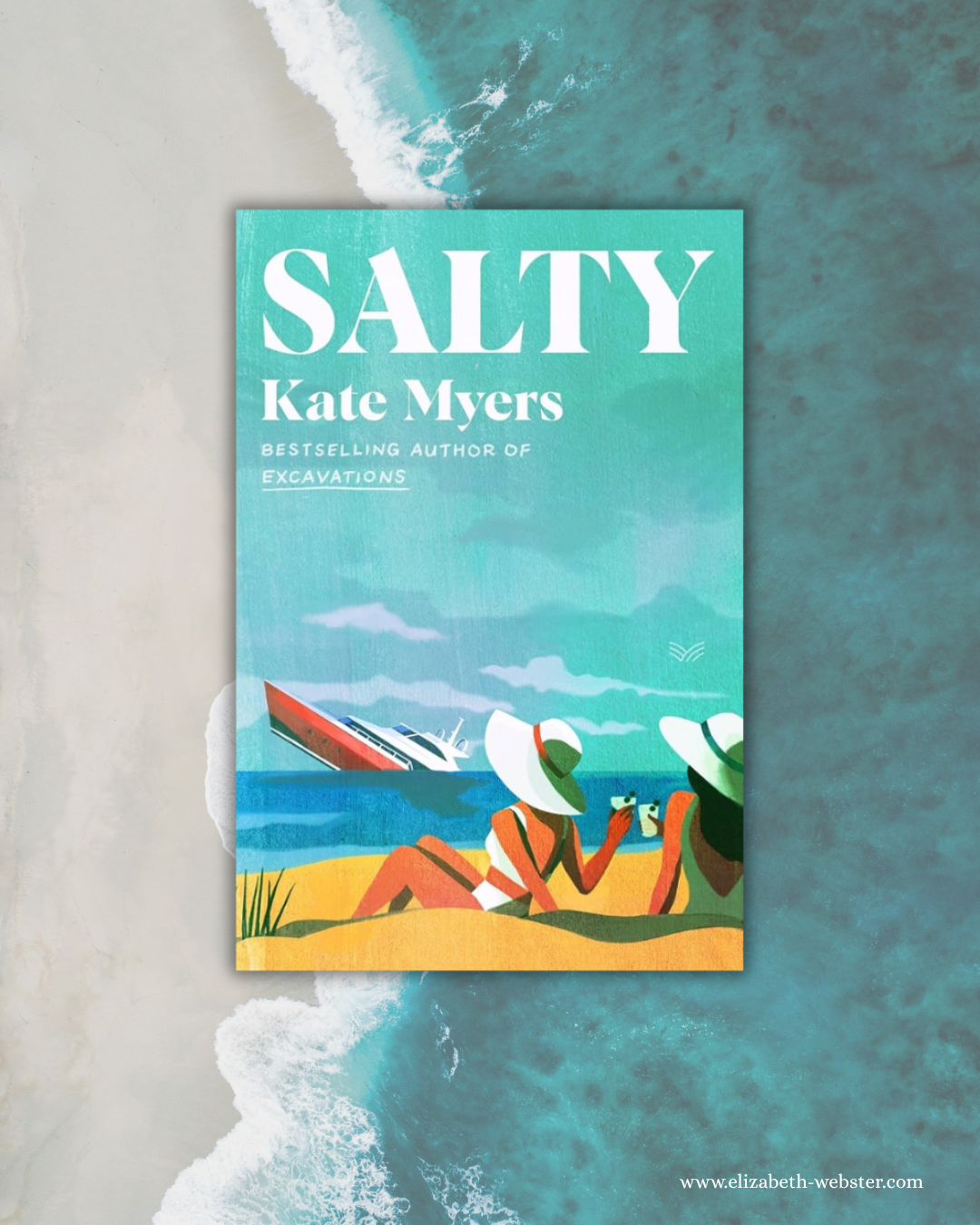
If Wild Dark Shore takes on environmental issues from an internal, atmospheric perspective, Salty by Kate Myers does it with unabashed hilarity and the sharp flair of a social satire. Set in the Caribbean, Salty features two sisters who fear losing their coastal hometown to real estate developers. However, this story offers more intrigue than a standard clash between developers and locals. Salty surprises readers with a collapsing building. A dead body. Acidic characters with hidden agendas.
Though the sisters work on the luxury yachts that clutter the turquoise waters around their home, mysterious circumstances connect them further with the uberwealthy. And while we might laugh out loud from the smart dialogue and turn pages quickly to follow an absorbing plot, we’re also faced with the reality of luxurious accommodations built on land that cannot sustain them. As with Wild Dark Shore, the ocean in Salty remains wild, no matter how big characters may build their boats to try to tame it.
But what about the kiddos, you ask? I didn’t forget them.
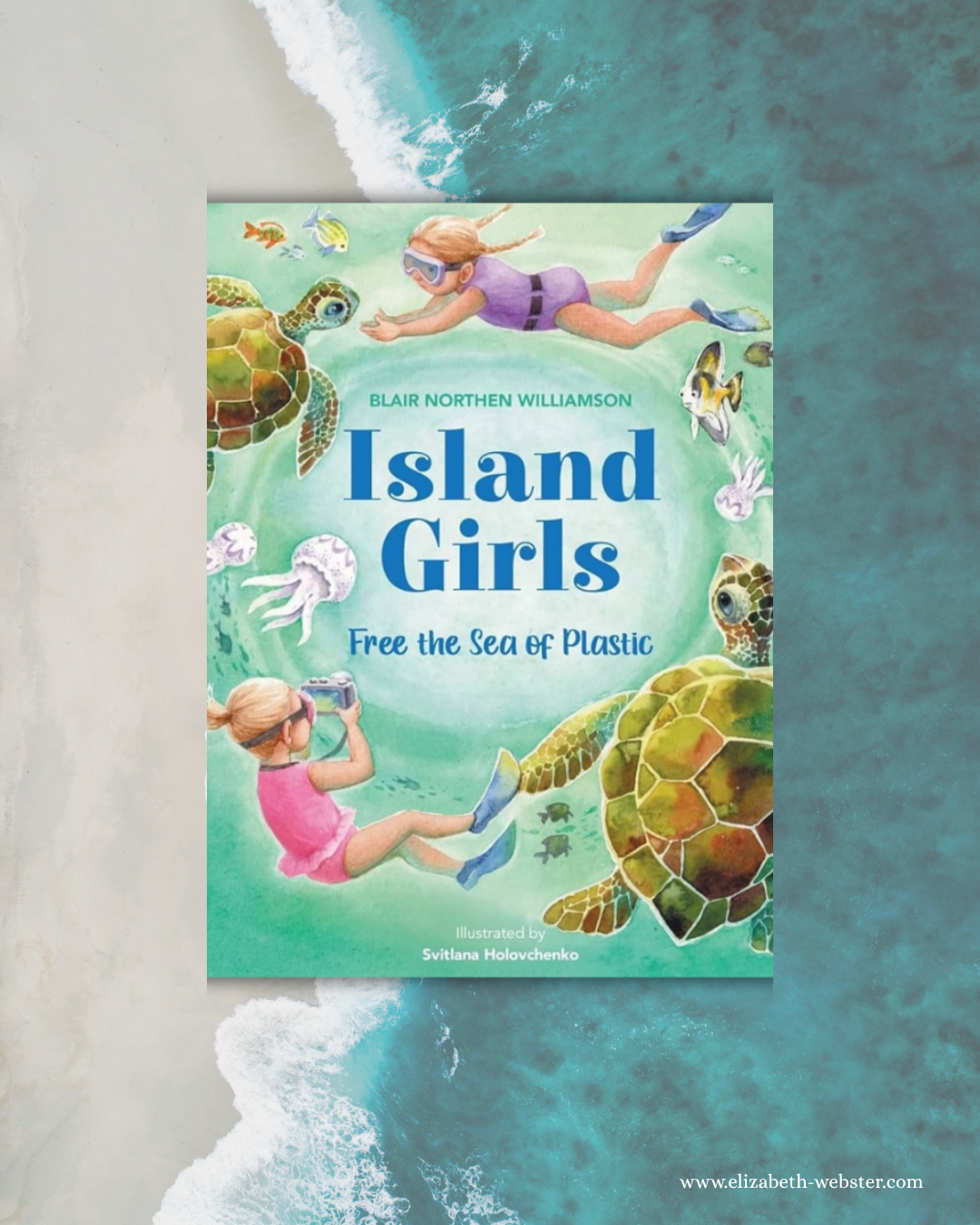
Island Girls, written by Blair Northern Williamson and illustrated by Svitlana Holovchenko, is a book with message as beautiful as its illustrations. Based on a true story, sisters Sadie and Josie discover the dangers of plastics in the ocean when they stop a sea turtle from eating a plastic bag. With this vignette, Northern Williamson manages to convey the gravity of plastics in the ocean to a young audience.
While Island Girls tackles an alarming issue, the prevalence of plastic pollution to young readers is presented in an age-appropriate way. Moreover, Sadie and Josie embody empowerment, rather than fear.
In Island Girls, our oceans are precious and teeming with life, exquisitely rendered by delightful illustrations. Though the oceans’ fragility is one message, Northern Williamson also conveys that children have the power to protect it. They are only not witnessing the destruction of an environment. They are recognizing a problem and attempting to fix it. In the end, Island Girls stands on a message of hope and personal power.
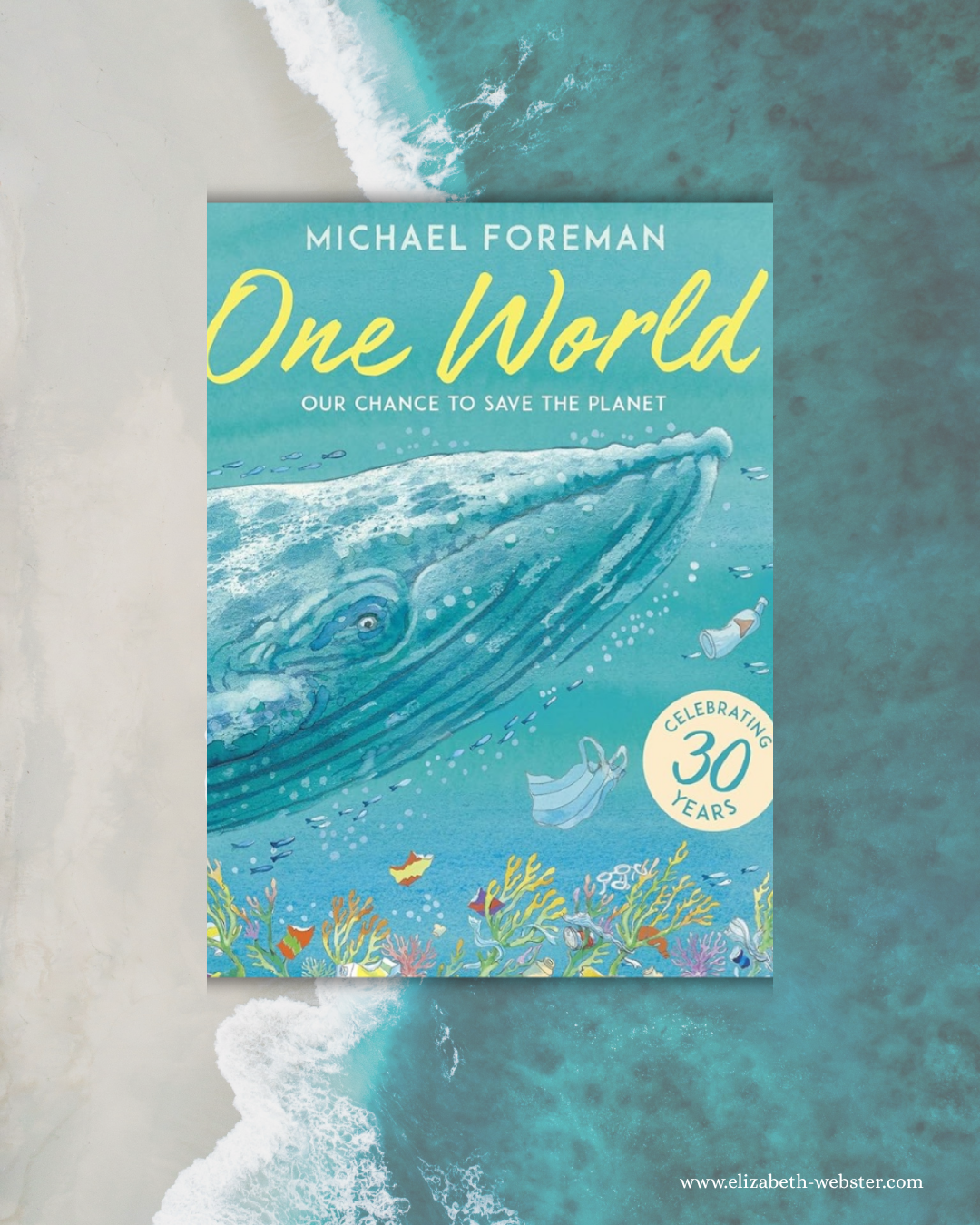
One World by Michael Foreman offers children a similar theme of hope, empowerment, and purpose. This classic book features a brother and sister whose imaginative play mimics the environment around them. As they explore the beach by a rock pool, they craft their own miniature ecosystem. The small landscape they create captures the ocean’s beauty, with its shells, water, and sea creatures. But its tin can and oil references the forces that threaten its well-being.
In kid-friendly language, Foreman acknowledges both the ocean’s preciousness and its vulnerability. And if the first step to advocacy is awareness, Foreman offers children a personal foothold into environmental issues with One World. He also offers children a powerful message of stewardship. Though his readers may be young, Foreman acknowledges that the majesty and legacy of the earth’s oceans already belongs to them too.
These are some of my favorite fictional reads that entwine advocacy with entertainment. I hope you’ll continue to celebrate World Oceans Day by learning more about ocean conservation efforts. I’ve often said that Summer Triangle began as my love letter to a landscape. But while the beach contains so many of my stories (real and imagined), it’s this author’s hope that the stories we tell are a first step toward taking action.
Which books have inspired you to love a landscape more?