CBK’s True Legacy
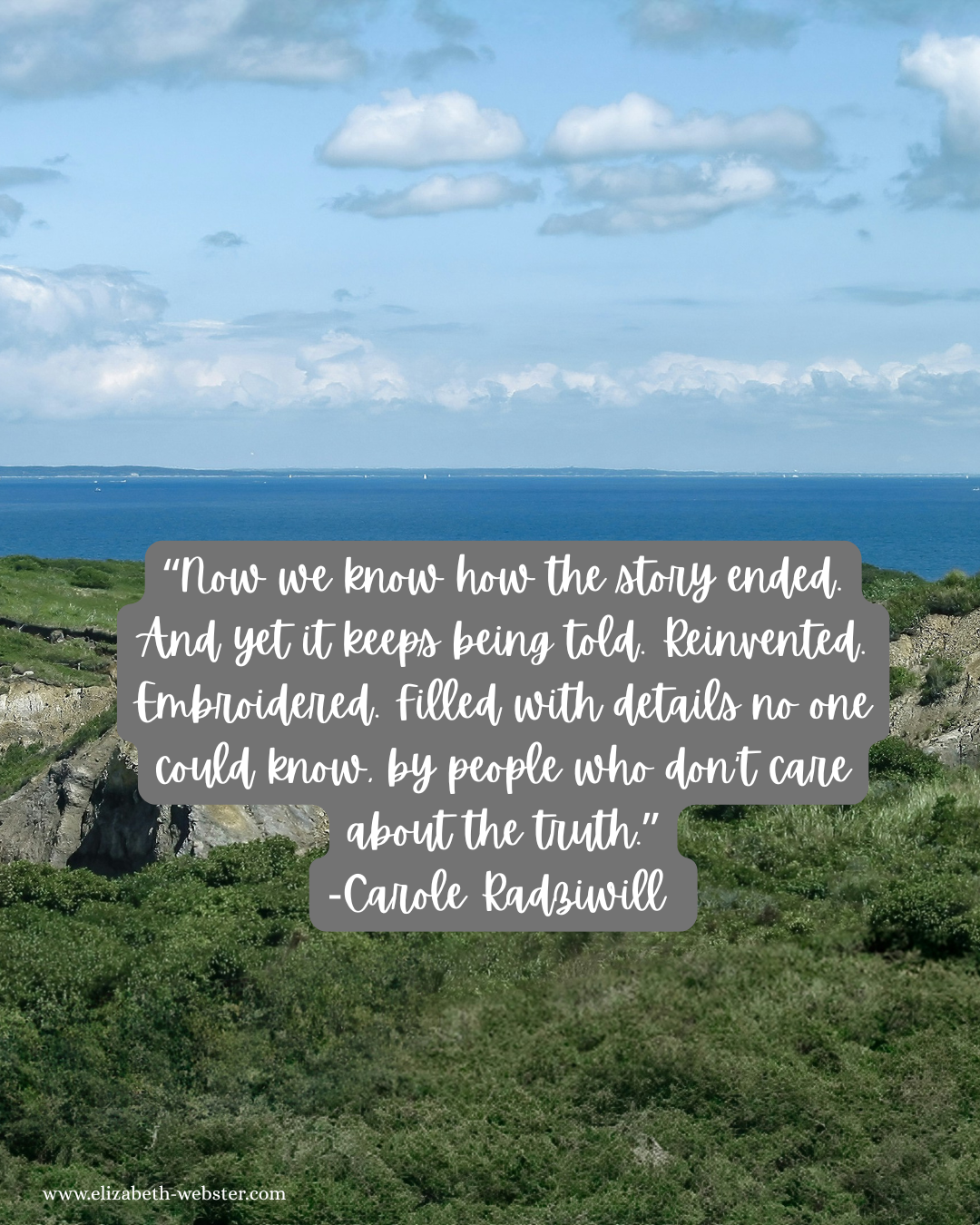
Image by Rusty Watson via Unsplash.
Have you fallen for “Love Story?” The fervor surrounding the show’s vibe, with its famous couple and its minimalist clothing and its spot-on ‘90s details, is contagious. Yet despite its purported private glimpses of a high-profile romance, I think the show’s most powerful story is the one we can’t tell.
While I question the ethics of the show, FX’s dramatic rendering of John F. Kennedy Jr. and Carolyn Bessette’s whirlwind romance, I’m beyond smitten with its atmosphere. “Love Story” doesn’t only offer, well, an iconic love story. It’s also a ‘90s time capsule, filled with all the nostalgic analog details from a lost era. We see the polarity of pre-digital communication: the frustration of scrambling for quarters for a payphone versus the freedom of moving through the world untethered to one. We see people who were more present in face-to-face interactions. We see the golden days of a city before an attack, of a couple before their tragedy.
But most of the commentary surrounding “Love Story” centers its leading lady’s clothing. Carolyn’s wardrobe has amassed a cult following through social media. The New York Times once referred to her as a “ghost influencer,” with good reason. Her choices have stood the test of time. As a publicist for Calvin Klein, Carolyn likely saw the fashion industry’s constant need for innovation and reinvention firsthand. But her own style trended classic.
Camel coats. Black dresses. Slim jeans and tortoise shell headbands and black boots. In a rare quote, Carolyn described her style: “I’m not comfortable in anything ornate. I like clean and understated looks. I love boots, jeans, and blazers.” Carolyn’s wardrobe appears less like fashion-forward expression and more like an effort to feel like herself.
She’s often called a fashion muse now. She’s inspired countless social media accounts, with her most diehard fans referring to her affectionately as “CBK.”
But her most powerful legacy has little to do with her clothing.
“Love Story” rightly focuses on Carolyn’s independence, her professional life, and her hesitation to marry into such a public family. She was famously reserved. Like Jacqueline Kennedy Onassis before her, Carolyn rarely spoke to the press. In spite of the (often cruel) narrative projected onto her, she never tried to set the record straight. She valued her privacy. Maybe the clothes speak loudest for her now as a kind of armor, demonstrating the simplicity and authenticity she seemed to covet.
I find it amusing (and perhaps telling) that younger generations are so taken with such a private person. We know so little about her, but that’s precisely the point. Carolyn took a stand in her refusal to commodify her love story. She kept their courtship close. If she married into American royalty, she only dressed the part occasionally. She seemed to live her life on her own terms, away from prying eyes to the best of her ability. She let the press have the last word and, in so doing, demonstrated how little their words mattered.
Carolyn shines brightest to me now for her integrity. As we deal with technological advances and all of the ethical quagmires they present, Carolyn reminds us to step back. To consider keeping a private moment for ourselves, if for no other reason than that it belongs to us. To find greater freedom in another decade’s values. To be remembered well by the people who loved us best, no matter if the rest of the world gets us wrong. To love deeply, daring to keep our most precious, sacred memories close to our hearts.
And if, in living our lives for ourselves, we’ve dressed well solely for the joy of it? All the better.